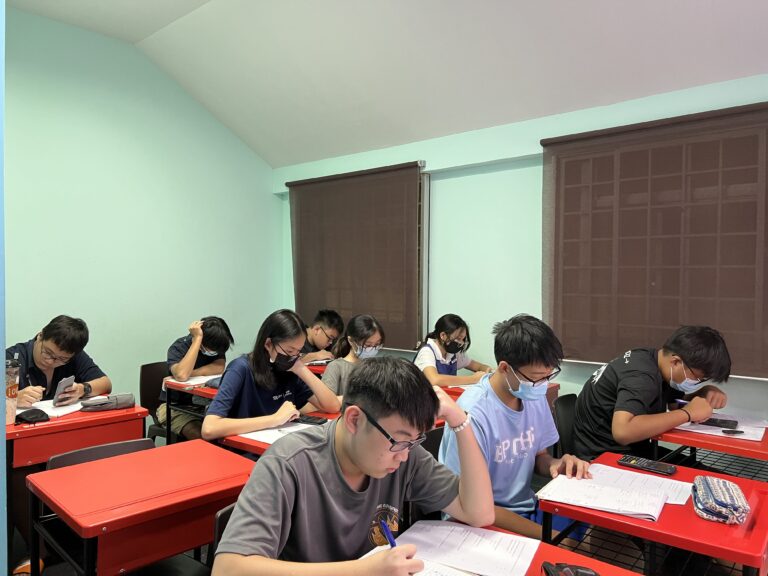
Exam periods can feel intense for many families in Singapore. If your child is suddenly more irritable, worried, or reluctant to study, you are likely seeing exam stress in action. The good news is that exam stress management for children is not about forcing positivity or pushing harder. It is about helping your child feel safe, supported, and in control of what they can do next.
As a leading tuition centre in Singapore, Stepping Stones Learning Centre supports students with structured learning habits that reduce last-minute panic and build confidence over time.
What Exam Stress Looks Like In Children
Children do not always say “I am anxious”. Stress often shows up through behaviour and physical symptoms.
Common signs include:
- Trouble sleeping, nightmares, or waking up tired
- Headaches, stomachaches, nausea, low appetite
- Tearfulness, irritability, sudden anger, mood swings
- Avoidance, procrastination, “I don’t want to do it”
- Perfectionism, fear of making mistakes, and refusing to try
- Over-checking work, asking for reassurance repeatedly
- Shutting down during practice papers
If these signs are mild and temporary, they can improve quickly with better routines and reassurance. If they are intense, persistent, or affecting daily life, it may be helpful to speak to a school counsellor or a qualified professional.
Why Some Children Experience More Exam Anxiety
Exam anxiety is usually not caused by one thing. It is often a mix of personality, past experiences, and environment.
Common reasons include:
- Fear of failure, especially for children who tie results to self-worth
- Past “bad paper” experiences that lowered confidence
- Unclear study plan, leading to last-minute cramming and panic
- Heavy schedules with little rest and recovery time
- Comparing with friends or siblings
- Parent stress, even if it is not said out loud
The goal is not to remove all stress. A small amount of stress can motivate. The goal is to reduce the overwhelming stress that blocks learning and performance.
8 Evidence-Based Techniques To Manage Exam Stress
1) Create A Predictable Revision Routine
A predictable routine reduces uncertainty, which is a major driver of anxiety. When children know what is happening and when it ends, they feel more in control.
Try this:
- Set a consistent study start time on weekdays
- Keep sessions short and focused
- End with a clear “done for today” signal
Simple weekly structure:
- 2 days: weak topics
- 2 days: mixed practice
- 1 day: timed practice plus corrections
- 1 day: light review or rest
2) Break Study Into Small Wins
Large tasks feel scary. Small tasks feel doable. Chunking is a proven way to reduce avoidance and build momentum.
Try this:
- Use 20 to 40-minute blocks, depending on your child’s level
- Set one clear goal per block, not five goals
- Use a checklist so your child can tick off progress
Examples of small wins:
- “Do 8 questions on fractions”
- “Correct 5 mistakes from yesterday”
- “Write 1 good open-ended Science answer”
3) Teach Simple Breathing To Calm The Body
When the body is in stress mode, thinking becomes harder. Simple breathing techniques help calm the nervous system and reduce panic.
Try this before practice papers or bedtime:
- Breathe in for 4 counts
- Breathe out for 6 counts
- Repeat for 6 to 10 cycles
Parent script:
- “Let’s do 1 minute of breathing first, then we start.”
4) Use Effort Praise And Helpful Self-Talk
Children with exam anxiety often use harsh self-talk. They may say “I’m stupid” or “I always fail”. This increases stress and reduces persistence.
Replace it with realistic, effort-based language:
- Instead of “You’re so smart”, say “You worked through it step by step”
- Instead of “Don’t worry”, say “It’s normal to feel nervous, let’s do the next small step”
Helpful self-talk to teach:
- “I can try one question first”
- “Mistakes help me learn what to fix”
- “I don’t need perfect, I need progress”
5) Reframe Mistakes As Feedback
A common cause of exam stress is fear of mistakes. If practice feels like judgment, children avoid it. If practice feels like feedback, children improve.
Try a simple correction routine:
- Circle the mistake
- Write why it happened in one short line
- Write the correct method
- Redo the question without looking
- Do 2 similar questions within the same week
This builds confidence because your child can see improvement clearly.
6) Practise Exam Conditions Gradually
Some children panic during timed practice because it feels sudden and intense. Gradual exposure reduces fear and builds exam stamina.
Progression idea:
- Week 1: untimed practice with guidance
- Week 2: timed sections, shorter duration
- Week 3: full paper timing, with breaks
- Week 4: full paper timing, exam-like conditions
Keep the tone calm. The goal is familiarity, not punishment.
7) Protect Sleep, Food, And Movement
Sleep and movement are not optional during exam season. They directly affect memory, attention, and emotional regulation.
Simple guidelines:
- Keep bedtime consistent, even during revision weeks
- Avoid heavy studying right before sleep
- Add short movement breaks, even 10 minutes of walking
- Keep meals regular, especially breakfast
If your child is too tired, revision quality drops, and anxiety rises.
8) Plan A Calm Exam Week Strategy
Exam week stress often comes from uncertainty and last-minute overload. A plan reduces panic.
7 days before:
- Focus on weak areas and corrections
- Do short-term practices, not endless papers
Night before:
- Pack items early
- Do a light review only
- Sleep on time
Morning of exam:
- Keep talking simply and calmly
- Remind your child of one strategy, not ten
- Example: “Read carefully, do the easy ones first, check units.”
What Parents Should Avoid Saying Or Doing
Avoid:
- Comparing with other children
- Threats like “If you don’t do well…”
- Last-minute schedule overload
- “Just relax” without giving a method
Replace with:
- “Let’s plan what to do today”
- “We focus on progress, not perfection”
- “One step at a time”
When To Get Extra Support
If your child’s anxiety is linked to repeated struggles, unclear methods, or constant mistakes, academic support can reduce stress because it creates clarity and confidence.
Consider extra support if:
- Your child avoids studying and shuts down often
- Results stay low despite effort
- Your child does not know how to revise independently
- Open-ended questions are consistently incomplete
Parents often find it easier to support their child when they have a clear plan and an experienced teacher guiding corrections, so if you want help putting a calm, realistic routine in place, you can contact us today, and we will recommend the next best steps.
FAQs
Start by normalising their feelings, then give structure. Use a predictable routine, small study goals, and calming breathing before practice. Avoid comparisons and focus on progress.
Common signs include poor sleep, headaches or stomachaches, irritability, avoidance, perfectionism, and shutting down during revision or practice papers.
Use a short breathing routine, keep your words simple, and remind them of one strategy they can control, such as reading carefully and starting with easier questions first.
Yes. Rest supports memory and emotional regulation. Short breaks, movement, and consistent sleep often improve performance more than extra hours of tired studying.
It depends on your child’s foundation. Most students do better with 4 to 6 consistent sessions a week, with a balance of weak topic practice, mixed revision, and corrections.