


How Will Full Subject-Based Banding Change Your Tuition Strategy?

Asian woman hugging two young school children

Share This Post

Singapore’s education system is evolving again with the Full Subject-Based Banding (FSBB) framework. The shift away from streaming means students will now study subjects at different levels based on their strengths and learning pace.

For parents, this change raises new questions about tuition. How should support adapt when students take subjects at different levels? What role should tuition centres play in helping children navigate this new structure?

In this guide, we break down what FSBB means, how it affects your child’s learning path, and how tuition strategies can be adjusted for the best results.

What is Full Subject-Based Banding (FSBB)?

FSBB is a major change in the way secondary school students are grouped and assessed in Singapore. Instead of being placed into Express, Normal (Academic) or Normal (Technical) streams, students will take subjects at different levels that match their ability.

The Shift from Streaming to Subject-Based Levels

Previously, students were grouped into fixed streams based on their PSLE results. FSBB removes these labels and allows flexibility. Each student can take English, Mathematics, Science and Mother Tongue at a level suited to their strengths.

The Levels G1, G2 and G3

Subjects are now taught at three levels:

  • G1 – roughly equivalent to the former Normal (Technical) standard
  • G2 – similar to the Normal (Academic) level
  • G3 – aligned with the former Express standard

Students can take a mix of levels across subjects. For example, a child could take Mathematics at G3, English at G2, and Science at G3.

This more flexible approach encourages personalised learning and helps students focus on progress rather than labels.

Why FSBB Matters for Tuition Centres and Students

Smiling young woman holding books

Tuition plays an important role in helping students adapt to the FSBB model. Since every learner’s combination of subject levels is different, tuition now needs to be more flexible and personalised.

Customised Subject-Level Learning Means Different Tuition Needs

Tuition must now focus on the subject level rather than the overall stream. This means tutors need to design lessons that match the student’s pace in each subject, whether they are catching up or advancing.

Flexible Movement Between Levels

Students can move up or down levels based on their progress. A well-planned tuition strategy helps reinforce weak areas early, so students are ready when the school recommends a higher level. Tuition can also prevent students from falling behind after moving up.

Impact on Class Mix and Study Strategy

FSBB encourages collaboration across different learning levels. Tuition classes will likely include students working on different subject combinations. This requires more targeted teaching and progress monitoring from tutors.

Key Strategies for Tuition Under FSBB

A good tuition centre should have a plan that aligns with the new FSBB system. Here are some essential strategies to consider.

Early Identification of Strengths and Learning Gaps

The first step is assessing your child’s performance in each subject. Understanding their strengths and weaknesses helps tailor tuition at the correct level from the start.

Tailored Lesson Plans for Different Levels (G1-G3)

Each level requires a different approach:

  • G1 students may need stronger foundational work and practice in core skills.
  • G2 learners benefit from structured guidance and regular progress checks.
  • G3 students require critical-thinking exercises and exam-style challenges.

Tuition should align teaching methods to these distinct levels rather than a one-size-fits-all model.

Emphasis on Depth and Breadth

FSBB promotes a deeper understanding instead of memorisation. Tuition should focus on both mastery of current content and readiness for higher levels. Strong conceptual learning prepares students to handle more advanced material later.

Monitoring Progress and Adjusting Support

Continuous evaluation helps tutors spot areas that need extra attention. Regular feedback keeps parents informed and ensures the learning plan stays effective as the student’s levels evolve.

How Parents and Students Should Choose a Tuition Centre Under FSBB

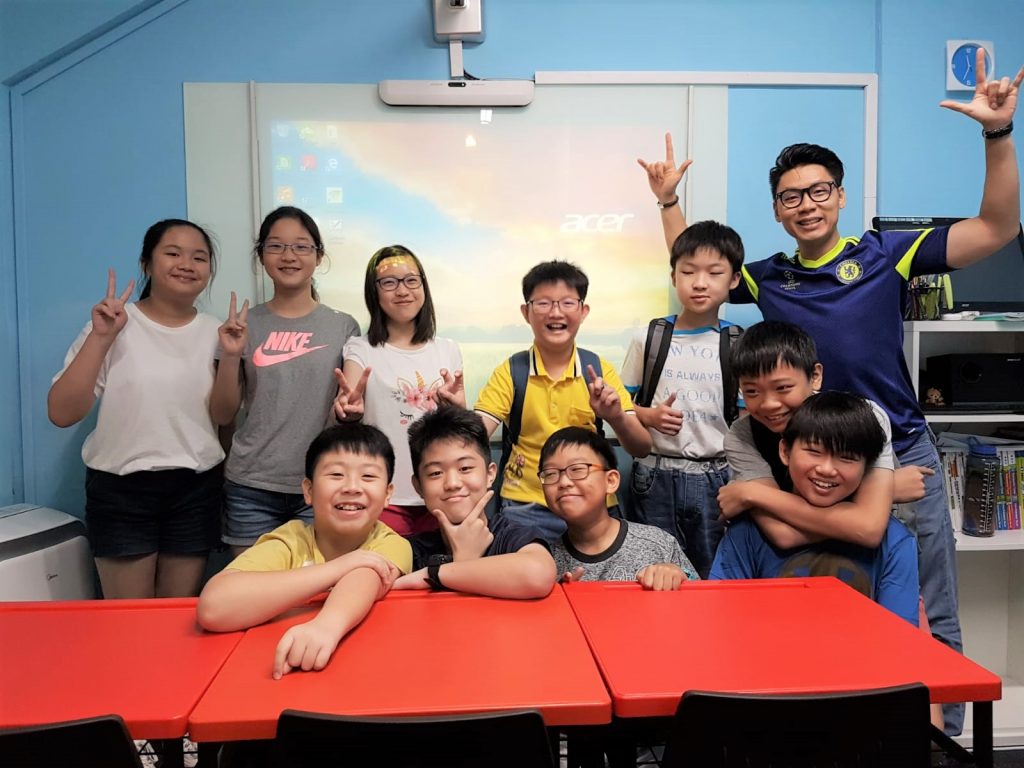
Students and a teacher of Stepping Stones enjoying a fun and engaging moment together

Choosing the right tuition centre becomes even more important under FSBB. Parents should look for experience, flexibility, and strong communication.

Experience with Mixed-Level Classes and Grouping

A good tuition centre understands how to handle students at different subject levels within the same class. This requires skilled tutors who can differentiate teaching effectively.

Proven Track Record in Level Transitions

Ask whether the centre has helped students move up from G2 to G3, or supported those consolidating at G1. A strong track record shows that the centre knows how to prepare students for progression.

Assessments, Feedback and Parent Updates

Look for centres that conduct regular tests and provide detailed progress reports. Feedback should be clear and actionable, helping parents and students stay aligned.

At Stepping Stones Learning Centre, we have been adapting our programmes to meet FSBB standards. Our tutors provide structured, personalised lessons designed to help students progress confidently across subject levels.

Common Pitfalls and How to Avoid Them

As families adjust to FSBB, some common mistakes can reduce its benefits.

Assuming One-Size-Fits-All Tuition Still Works

Every child’s subject mix is unique, so tuition must be flexible. Avoid centres that use the same approach for all students.

Ignoring Subject-Level Dynamics

Parents sometimes focus on overall grades instead of individual subject levels. Tuition should be targeted where help is needed most.

Neglecting Regular Review and Feedback

Without consistent monitoring, students may struggle unnoticed. Ongoing feedback and check-ins keep tuition aligned with each level’s expectations.

Making Your Tuition Plan for FSBB Work

To make the most of FSBB, create a tuition plan that grows with your child.

Set Short- and Long-Term Goals

Define what you want to achieve at each stage. Short-term goals may include mastering current topics, while long-term goals focus on advancing to higher levels.

Coordinate School Learning and Tuition

Ensure that tuition complements school lessons. This helps reinforce what your child learns in class and fills any gaps.

Regular Review and Adjustment

FSBB allows flexibility, so tuition should, too. Review progress every term and adjust lesson plans as your child’s needs evolve.

Conclusion

The Full Subject-Based Banding system gives students more flexibility and fairness in learning. However, it also demands a more personalised approach to tuition.

If you would like to understand how FSBB may affect your child’s learning, contact us today to speak with our team or arrange a consultation.

FAQs

FSBB removes fixed streams like Express and Normal. Instead, students take each subject at a level that suits their ability, allowing more flexible learning paths.

By 2024, all secondary schools will fully adopt FSBB. Students will be grouped by subjects instead of streams, changing how classes and lessons are structured.

Tuition should be flexible, focusing on the student’s individual subject levels. Tutors must design lessons that strengthen weaker subjects and stretch stronger ones.

Yes. Consistent guidance and targeted practice can help students meet the criteria for higher levels. A strong tuition plan builds the confidence and ability needed to advance.

Parents should maintain open communication with both school teachers and tuition tutors. Regular feedback reports and progress reviews ensure learning stays on track.

More To Explore

Enroll Now !!!

drop us a line and keep in touch

Tutors at Stepping Stones Learning Centre